
Sekumpul Trekking Guide
Sekumpul Waterfall Rainy Season Guide (Oct-Mar)
Daftar Isi
- What Rainy Season Actually Looks Like at Sekumpul Waterfall
- The Waterfall Itself: Bigger and Louder
- The Trail: Wetter, Slower, Still Manageable
- River Crossings Get Deeper
- Weather Patterns to Expect
- How We Adjust Treks During Rainy Season
- What Photographers Should Know
- Should You Avoid Visiting in Rainy Season?
- Packing Differently by Month
- Frequently Asked Questions
- One More Practical Note
- Trek Sekumpul in Rainy Season, Safely
What Rainy Season Actually Looks Like at Sekumpul Waterfall
From roughly October through March, North Bali’s rainy season changes the Sekumpul trek — not by closing it, but by changing the trail conditions, the water flow, and how the day needs to be paced. Here’s what to actually expect if you’re visiting during these months.
The Waterfall Itself: Bigger and Louder
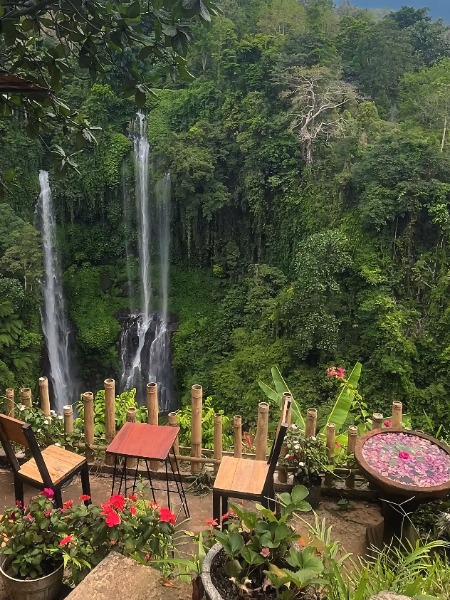
Rainy season is, ironically, when Sekumpul looks its most dramatic. Water flow increases noticeably, and the twin cascades that give Sekumpul its name run fuller and more powerful than in the dry months. If big, dramatic waterfall photos are the goal, this is actually the better season for it.
The Trail: Wetter, Slower, Still Manageable
The stone and concrete steps that make up most of the descent (see our stairs and difficulty breakdown) get slippery after rain, and the dirt sections before and after the main staircase turn muddy. None of this closes the trek, but it does mean a slower pace and more careful footing — grippy, closed-toe shoes matter even more than usual.
River Crossings Get Deeper
The shallow river crossings near the base, ankle to knee-deep in dry season, can run noticeably higher after heavy rain. Guides monitor conditions daily and will adjust or reroute the plan if a crossing isn’t safe on a given day.
Weather Patterns to Expect
- Rain timing: Afternoon showers are more common than all-day rain — mornings are often clear.
- Peak wet months: December through February tend to see the heaviest and most frequent rainfall.
- Shoulder months: October, November, and March are wetter than dry season but far less intense than peak months.
How We Adjust Treks During Rainy Season
Because every trek is private, we can shift the start time earlier to beat afternoon showers, adjust pace on slippery sections, or reschedule if conditions on a specific day genuinely aren’t safe. This flexibility is one of the bigger advantages of a private guide over a fixed-departure group tour during these months.
What Photographers Should Know
Rainy season light behaves differently than dry season — overcast skies mean softer, more even lighting on the waterfall itself, without the harsh midday contrast that dry-season sun can create. The trade-off is less predictable timing, since a clear morning can turn overcast within an hour. Guides who trek this route daily generally have a good read on the day’s window, which is part of why timing advice from someone on the ground beats a generic weather app forecast.
Should You Avoid Visiting in Rainy Season?
Not necessarily. Fewer tourists visit during these months, which means a quieter trek and easier photos at the viewpoint. The trade-off is less predictable weather and a slightly more demanding trail. If your travel dates fall in this window, it’s still very much worth doing — just pack accordingly.
Packing Differently by Month
October and November tend to bring shorter, more scattered showers, so a light rain jacket usually covers you. By December through February, rain can be more sustained, and it’s worth packing a dry bag for electronics and a full change of clothes for the return journey. March starts easing back toward drier conditions, though trail moisture can linger even after the rain itself tapers off.
Frequently Asked Questions
Is Sekumpul Waterfall closed during rainy season?
No, it stays open year-round. Conditions are adjusted case by case rather than the trek being cancelled outright.
What should I pack differently for rainy season?
A light rain jacket, quick-dry clothing, and extra grip on your footwear matter more than usual — see our full packing checklist.
Is December the worst month to visit?
December through February tend to be the wettest, but mornings are frequently clear even during these months — an early start helps avoid afternoon rain.
Does rainy season affect pricing?
No, pricing is based on the trek and group size, not the season. Message us on WhatsApp for a current quote regardless of when you’re visiting.
One More Practical Note
If your trip dates are flexible and rainy season is the deciding factor, mornings almost always beat afternoons regardless of the month. Booking an early start isn’t just about beating the heat the way it would be in dry season — during the wet months, it’s specifically about beating the afternoon rain that tends to roll in reliably by early-to-mid afternoon.
Trek Sekumpul in Rainy Season, Safely
Tell us your travel dates and we’ll plan the day around the conditions, with a guide who checks the trail every morning. Message us on WhatsApp at +62 858-0050-8133.
Ready to Experience Sekumpul with Local Guides?
Book a private trekking tour with villagers who know every trail and secret waterfall spot.
Book Your Trek Now